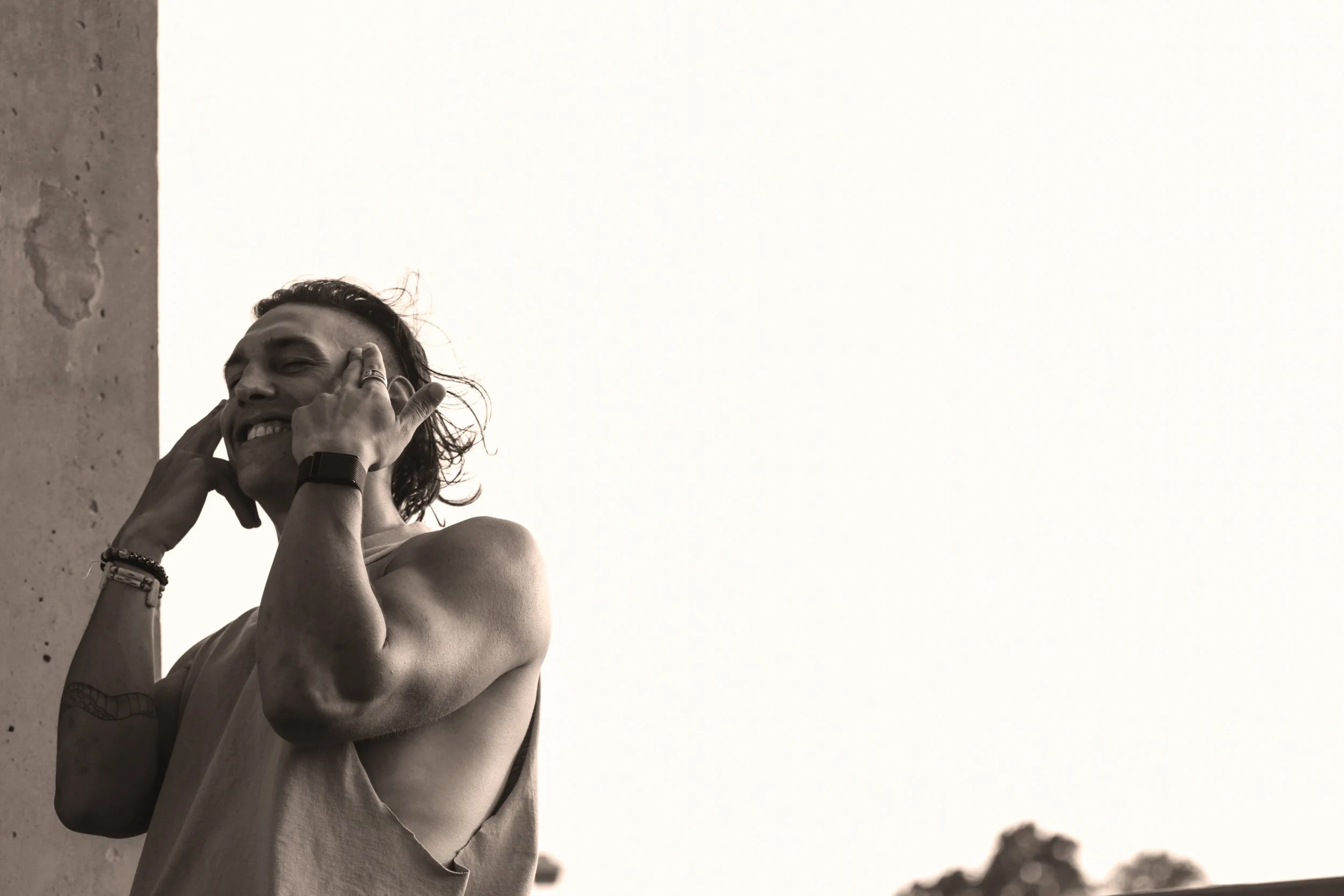
documenting emotion without performance
What happens when emotion is allowed to exist instead of being performed?
journal no. 02 · photography
june 2026
For a long time, I believed emotion in visual storytelling had to announce itself. It had to arrive through dramatic performances, visible tears, raised voices, or moments designed to leave no doubt about what a character was feeling.
The more I photographed and filmed, however, the more I found myself drawn to something quieter.
Not the expression itself, but the space before it.
The pause before a response.
The inhale before a decision.
The moment someone looks away and disappears into thought.
These were often the moments that stayed with me long after the louder ones faded.
As storytellers, we are often taught to chase emotion. We look for reactions, movement, and visible proof that something meaningful is happening. Yet some of the most emotionally resonant images I've created contain almost none of those things.
No performance.
No explanation.
No obvious narrative.
Only a person existing within a moment.
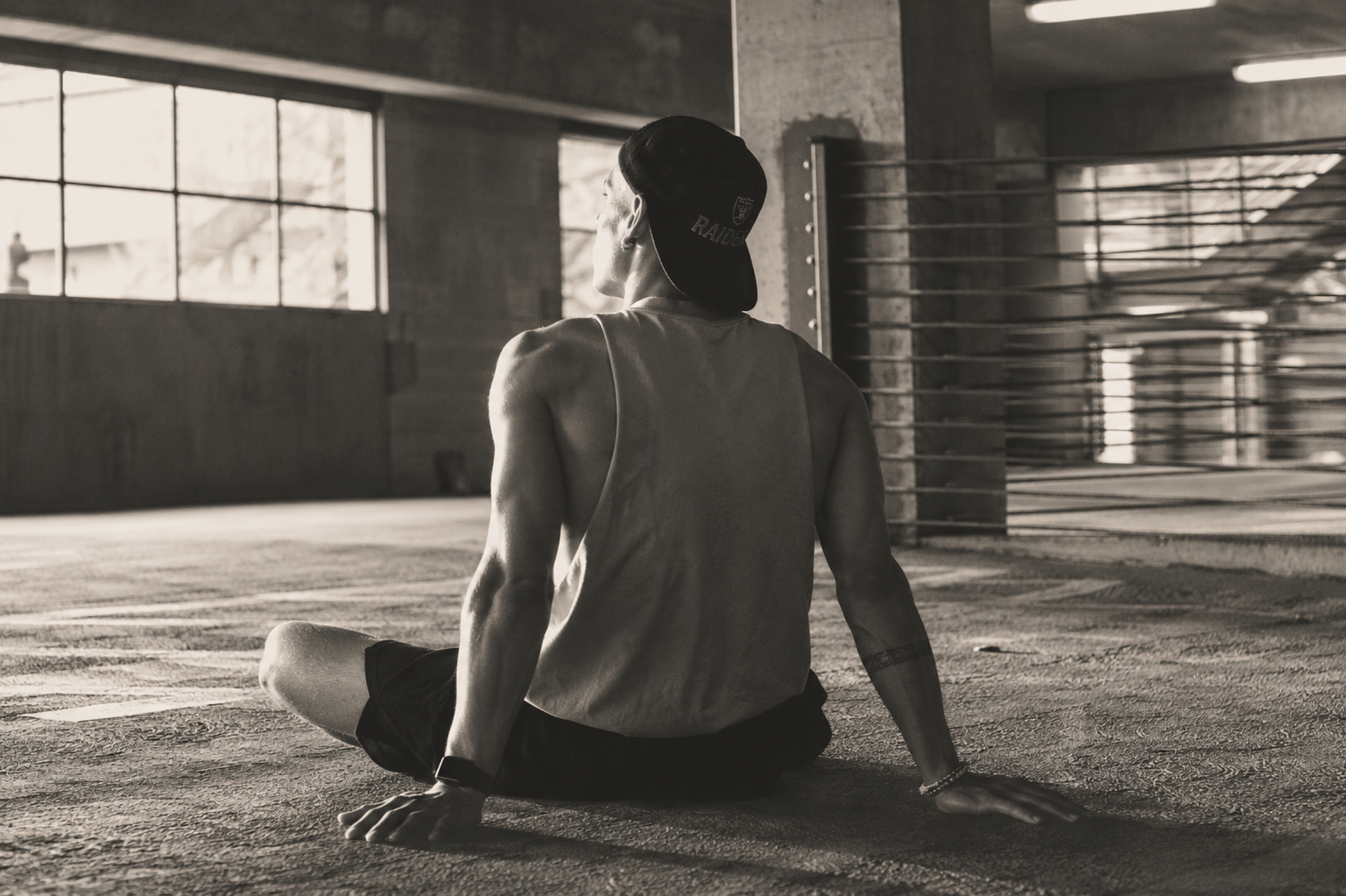
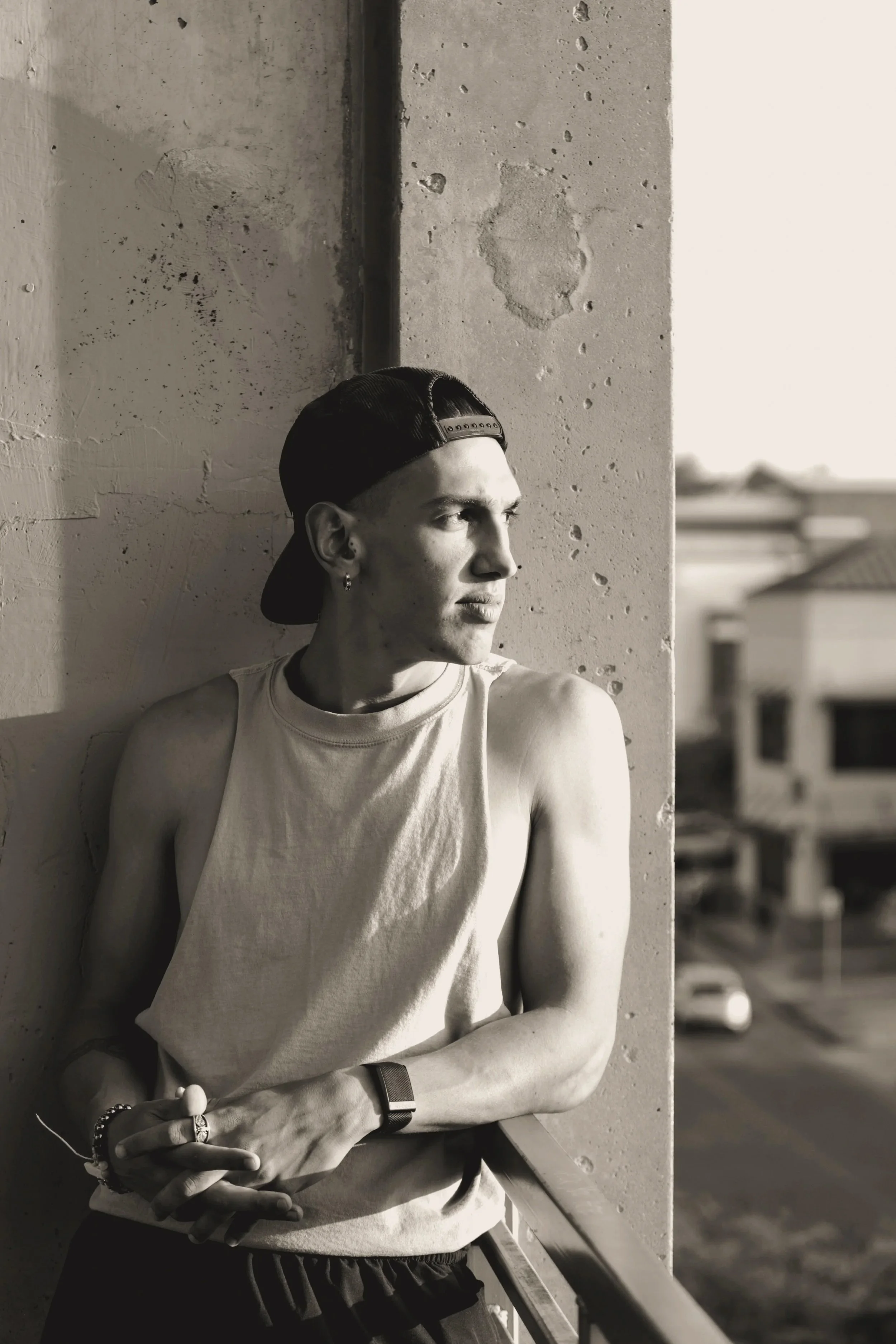
While creating photographs for Where the City Breathes, I began noticing how much emotional weight could emerge from stillness alone. A subject leaning against a wall. Sitting quietly on a staircase. Closing their eyes as sunlight settles across their face.
Nothing dramatic is happening.
Yet something is being felt.
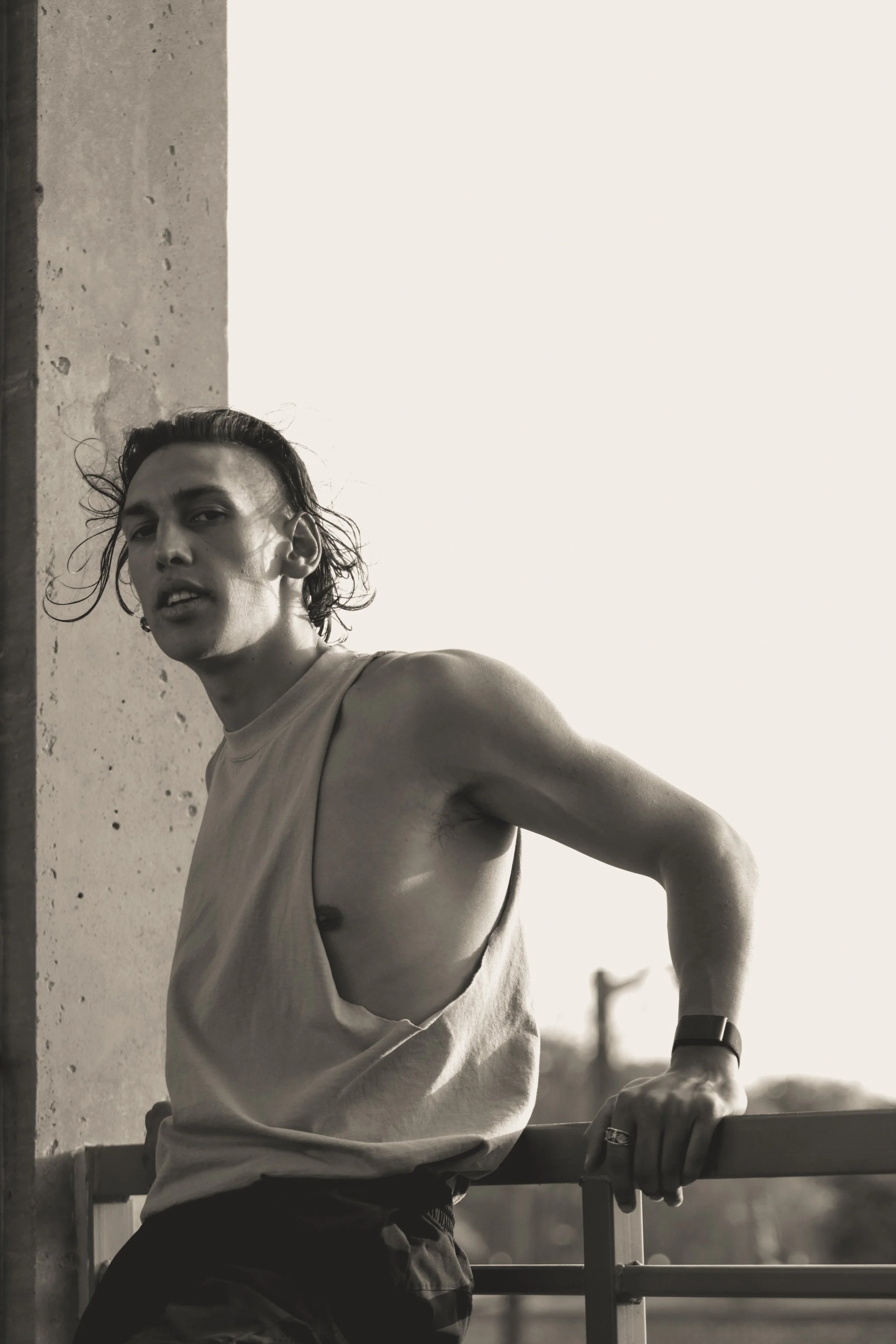
The difference, I've come to believe, is that emotion is not always created by expression.
Sometimes it emerges through observation.
Light becomes part of the story.
Space becomes part of the story.
Silence becomes part of the story.
A photograph does not always need to tell us what someone is feeling. Sometimes its role is simply to create enough room for us to wonder.
That uncertainty invites participation.
The viewer begins filling in the spaces themselves.
They bring their own memories, experiences, and emotions into the frame. The image becomes less about providing answers and more about creating a conversation between the photograph and the person standing in front of it.
This idea has increasingly shaped the way I approach both photography and filmmaking.
Rather than asking, "How do I make this moment emotional?"
I find myself asking a different question:
"How do I make space for emotion to emerge naturally?"
The answer is rarely found in doing more.
More often, it is found in restraint.
A longer pause.
A wider frame.
A quieter soundscape.
An image that lingers for a few seconds longer than expected.
Trusting stillness requires trusting the audience.
It means resisting the urge to explain every feeling or resolve every ambiguity. It means allowing viewers to meet the work where they are rather than directing them toward a predetermined emotional response.
Not everyone will interpret the moment the same way.
That is part of its value.
What one person experiences as solitude, another may experience as peace. What feels contemplative to one viewer may feel hopeful to another.
The image remains the same.
The emotional experience shifts.
In many ways, this is what continues to draw me toward visual storytelling in the first place.
A photograph can hold emotion without displaying it.
A frame can feel alive without movement.
A person can communicate something profound without saying a single word.
The longer I create, the less interested I become in capturing what emotion looks like.
Instead, I find myself searching for the conditions that allow emotion to be felt.
Often, those conditions are quiet.
They exist in the spaces between actions, between thoughts, and between words.
And sometimes, those are the moments worth documenting most.
Documenting emotion without performance is not about showing less.
It is about trusting that what is felt does not always need to be explained.